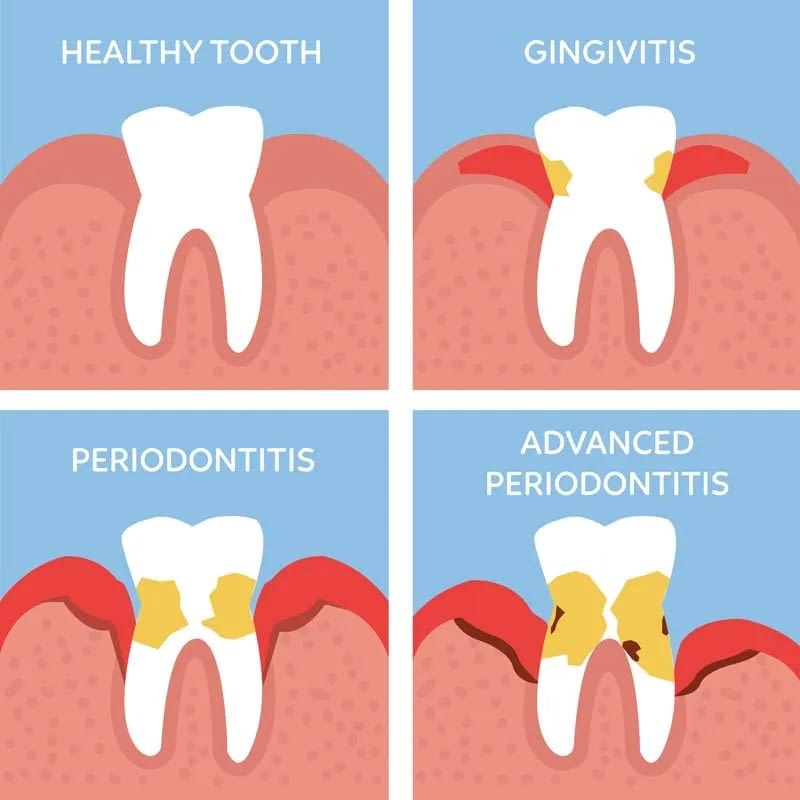

Fluoride toothpaste is one of the most effective ways to help prevent and control tooth decay. For most people, brushing twice a day with a standard fluoride toothpaste containing 1,350 to 1,500 parts per million (ppm) fluoride provides appropriate protection.
For patients who are at a higher risk of tooth decay, your dentist may recommend a high-fluoride toothpaste containing 2,800 ppm or 5,000 ppm fluoride.
These toothpastes contain significantly more fluoride than products available to buy over the counter and are therefore prescription-only medicines. They should only be used where there is an appropriate clinical reason.
Why might my dentist prescribe high-fluoride toothpaste?
High-fluoride toothpaste may be recommended when a patient has an increased risk of developing tooth decay or has active dental caries.
The current Delivering Better Oral Health guidance recommends considering:
2,800 ppm fluoride toothpaste
For patients aged 10 years and over who have a high risk of dental caries, including patients with:
- Active tooth decay
- A diet high in sugar or other highly cariogenic foods and drinks
- Regular or long-term use of medications that contain or are taken with sugar
- A history of significant or recurring tooth decay
- Other factors identified by the dentist as placing the patient at increased risk of caries
For patients aged 16 and over with active caries, either 2,800 ppm or 5,000 ppm may be considered depending on their individual circumstances.
5,000 ppm fluoride toothpaste
For patients aged 16 years and over who have a high risk of tooth decay, particularly where there is active coronal or root caries.
It may be particularly useful for patients with risk factors such as:
- Root surface decay
- Active or recurring tooth decay
- Dry mouth or reduced saliva flow
- Wearing an overdenture
- A highly cariogenic diet
- Long-term use of cariogenic medication
- A history of head and neck radiotherapy or chemotherapy
The evidence for 5,000 ppm fluoride toothpaste is particularly focused on root caries.
How should high-fluoride toothpaste be used?
Your dentist or dental professional will advise you on how to use your prescribed toothpaste.
For high-strength fluoride toothpaste, the licensed instructions for adults generally recommend:
- Brush twice a day using approximately a 2 cm ribbon of toothpaste.
- Brush thoroughly, particularly around the gum line.
- Spit out after brushing but do not rinse with water.
- Take care not to swallow the toothpaste.
- Keep high-fluoride toothpaste out of the reach of young children.
- Use only the amount recommended by your dental professional.
High-fluoride toothpaste should be used as part of a wider preventive programme, including good brushing technique, reducing the amount and frequency of sugary foods and drinks and attending dental appointments at the interval recommended for you.
How long will I need to use it?
High-fluoride toothpaste is not automatically prescribed indefinitely.
Your dentist will review your caries risk and determine whether you still need the higher fluoride concentration. The current guidance recommends continuing higher-strength fluoride toothpaste while the patient remains at increased risk, with the aim of reducing the underlying risk factors where possible. Long-term use may be appropriate for some patients who have continuing risk factors, such as permanently reduced saliva flow.
Will I need regular dental reviews?
Yes. Your dentist will recommend an appropriate review interval based on your individual oral health and level of disease risk.
NICE guidance recommends that recall intervals are tailored to the individual patient and reviewed at subsequent appointments. Patients with ongoing disease activity or higher levels of risk may require more frequent reviews and preventive care.
Can high-fluoride toothpaste be prescribed for sensitive teeth?
Not usually.
High-fluoride toothpaste is primarily prescribed to help prevent and control dental caries (tooth decay) in patients who are at increased risk.
Tooth sensitivity on its own is not an indication for prescribing 2,800 ppm or 5,000 ppm fluoride toothpaste.
If you suffer from sensitive teeth, your dentist may recommend a toothpaste specifically designed for sensitivity, such as Sensodyne or a similar sensitive toothpaste. If sensitivity is persistent, worsening or affecting one particular tooth, it is important to have it assessed as there may be an underlying dental problem.
Why can’t I get my previous high-fluoride prescription anymore?
You may have been prescribed high-fluoride toothpaste in the past for a reason that does not meet current prescribing recommendations.
High-strength fluoride toothpastes are prescription-only medicines and should be prescribed following an assessment of the patient’s individual caries risk and fluoride exposure. Current guidance recommends their use for patients who have an appropriate dental indication.
This means that having previously received a prescription does not necessarily mean that the toothpaste can continue to be prescribed indefinitely.
What can I do to reduce my risk of tooth decay?
The most important steps are:
- Brush your teeth at least twice a day with fluoride toothpaste.
- Brush last thing at night and on one other occasion during the day.
- Spit out after brushing and do not rinse.
- Reduce the amount and frequency of sugary foods and drinks.
- Avoid sugary foods and drinks at bedtime.
- Attend dental appointments at the interval recommended for you.
- Follow any additional preventive advice given by your dentist or dental hygienist.
If you are at increased risk of tooth decay, your dental team can assess your individual risk and advise whether a higher-strength fluoride toothpaste is appropriate.
Need advice?
If you are unsure whether you should be using high-fluoride toothpaste, please speak to your dentist at your next appointment. Do not use prescription-strength fluoride toothpaste unless it has been recommended or prescribed for you by an appropriate dental professional.
This information is intended as general guidance and does not replace an individual dental assessment. Prescribing decisions are made by the dental professional based on the patient’s clinical needs and current prescribing guidance.
Based on current UK guidance including Delivering Better Oral Health and NICE recommendations.